
Understand batteries and backup power — before the next outage forces the decision.
Batteries are no longer a luxury upgrade. Under NEM 3.0 they can transform your solar savings — and during PSPS events, they keep your house running. Here's how to figure out if one is right for you.
Battery sales pitches rarely match your reality.
Most homeowners are pitched the same battery whether they have PG&E or SMUD, a 1,200 sq ft ranch or a 4,000 sq ft home, an EV or no EV. That's how people end up with too little capacity to make it through an outage — or too much capacity that never pays for itself.
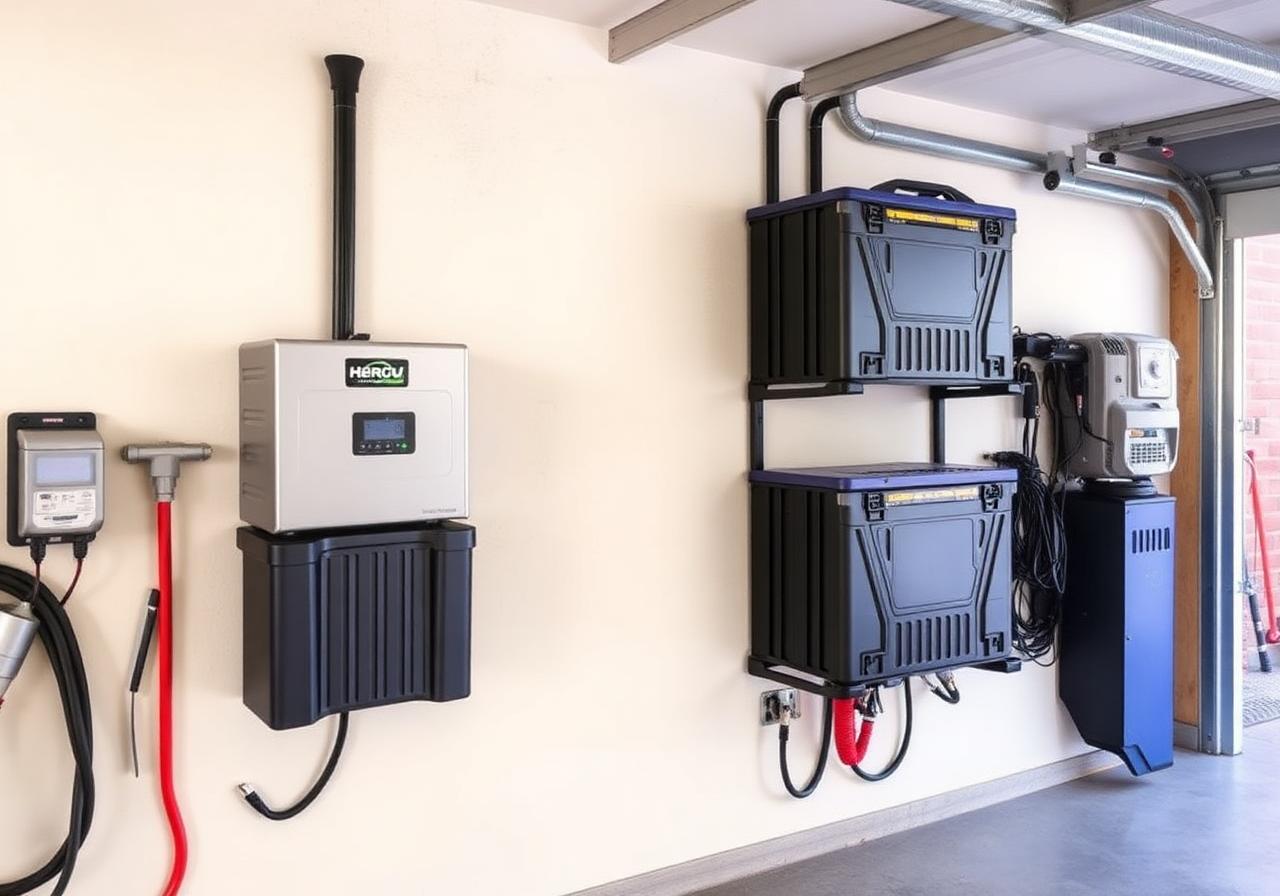
NEM 3.0 changed the math. PSPS changed the stakes.
On PG&E, exporting solar to the grid pays a fraction of what it used to. Storing your own solar in a battery — and using it at night — is often where the real savings live. And in fire-season Sacramento, backup power has stopped feeling optional.
Sacramento's battery incentive is one of the best in California.
If SMUD serves your home, you may qualify for a one-time battery incentive of up to $10,000 per household through SMUD's My Energy Optimizer Partner+ program (about $5,400 for a single Tesla Powerwall, with two Powerwalls reaching the household cap). SMUD pays this directly to you, the homeowner, after your battery is installed and you enroll within 90 days of receiving Permission to Operate — and it applies whether you add solar or go battery-only.
Tesla Powerwall owners also receive ongoing payments — about $440 per year per Powerwall, or roughly $880 a year for two — paid to you for as long as you stay enrolled in SMUD's virtual power plant. A battery also delivers everyday value: backup power during outages and the ability to skip the most expensive grid hours. And with $0-down options available, you can put a battery to work without a large upfront cost.
SMUD incentive amounts depend on your battery model and current program funding, are confirmed at proposal, and may change — verify current terms at smud.org.
Four questions before you buy a battery.
A battery plan built around your house, not a catalog.
Battery Backup Buyer's Guide
A short, plain-English guide to choosing the right home battery in the Sacramento area — sizing, sticker price vs. true cost, NEM 3.0 vs. SMUD economics, and SGIP rebates.
- How to size a battery from your real usage
- Brand-agnostic comparison checklist
- NEM 3.0 vs. SMUD storage economics
- SGIP rebate eligibility cheat-sheet
Get My Instant Estimate
Share your address, utility, and what you'd want to run during an outage. I'll come back with a clear plan.